What is COLMA?

The COLMA (Co-morbid Long-term Disease Management in the Americas) project focuses on improving healthcare for vulnerable populations in Peru and Argentina who suffer from chronic comorbid conditions, including depression, hypertension, and diabetes. These conditions, which often occur together, pose significant challenges for effective treatment within under-resourced healthcare systems.
What is COLMA?

What is COLMA?

The COLMA (Co-morbid Long-term Disease Management in the Americas) project focuses on improving healthcare for vulnerable populations in Peru and Argentina who suffer from chronic comorbid conditions, including depression, hypertension, and diabetes. These conditions, which often occur together, pose significant challenges for effective treatment within under-resourced healthcare systems.
Project aims

1. Understand local contexts: Explore the barriers, enablers, and challenges in healthcare delivery for chronic comorbid conditions in Peru and Argentina.

2. Develop an Integrated Intervention: Co-develop and adapt innovative, evidence-based intervention strategies in partnership with local stakeholders, combining community-based support, digital tools, and primary care services.

3. Evaluate Effectiveness and Cost-Effectiveness: Assess the clinical outcomes, implementation fidelity, and economic value of the intervention through a cluster randomized controlled trial.

4. Empower Communities: Strengthen the role of community health workers and foster peer collaboration through support groups, improving self-care and health outcomes.

5. Build Capacity and Foster Knowledge Exchange: Deliver training programmes, workshops, and webinars to enhance research and implementation capacity in Peru, Argentina, and other Latin American countries.

6. Promote Sustainability and Scalability: Generate evidence for the programme’s expansion and long-term integration into health systems across Latin America.

The intervention

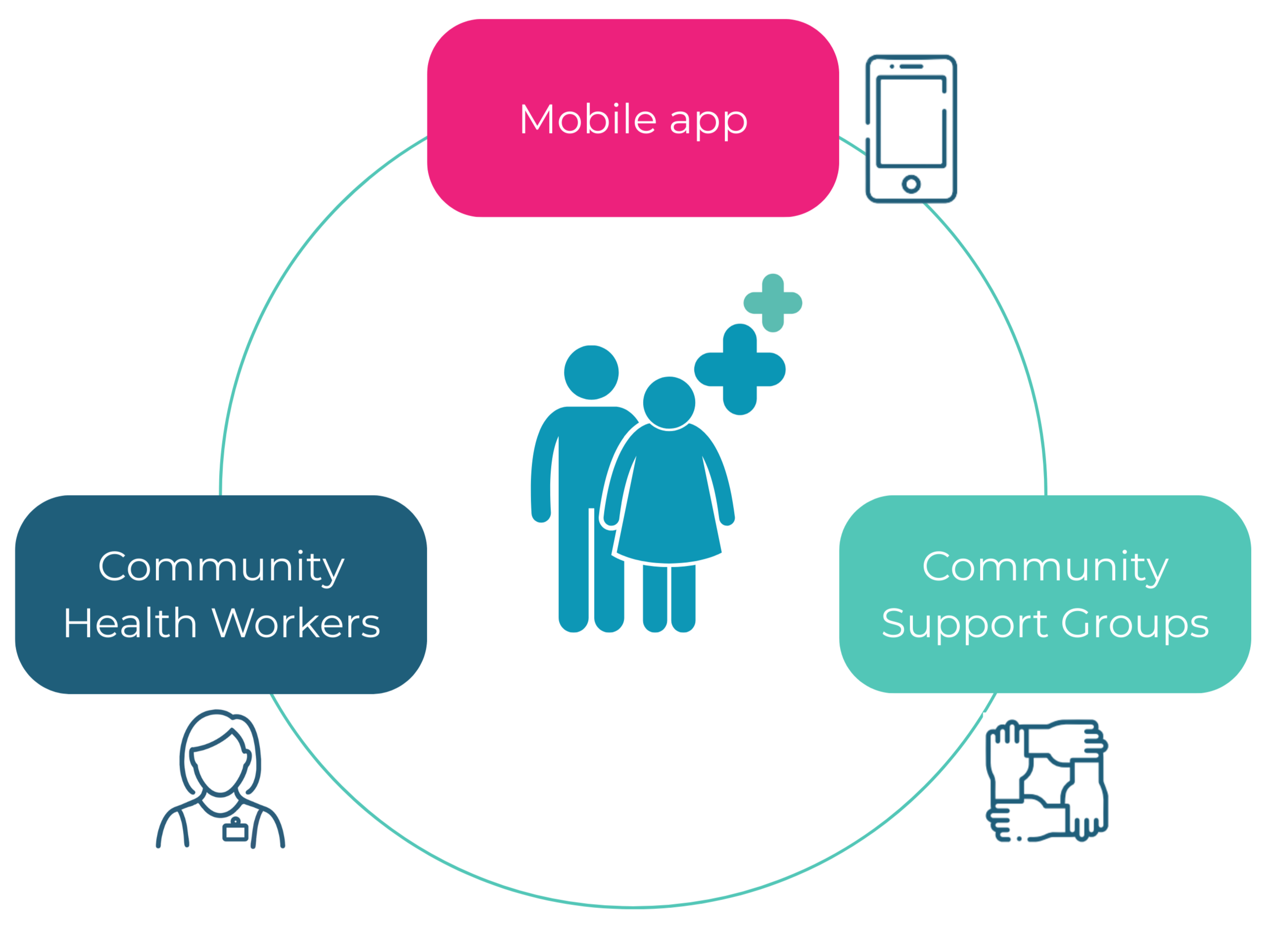
The intervention combines the following elements:
A mobile app will enable participants to access educational health resources, register health information, and communicate with community health workers.
Community Health Workers (CHWs) will provide support to the participants and monitor their progress through the intervention via a web dashboard.
Community Support Groups will encourage peer collaboration and empowerment for better self-management of chronic conditions.

Impact

The COLMA project aims to improve healthcare for vulnerable populations in Peru and Argentina by addressing the challenges of managing depression, hypertension, and diabetes together.
Key Impacts:

  1. Better Health Outcomes: Improve the mental and physical health of patients through integrated care and support.
  2. Empowered Communities: Train community health workers and establish peer support groups to strengthen self-care and health awareness.
  3. Stronger Primary Care: Enhance the ability of local healthcare systems to manage chronic conditions more effectively.
  4. Scalable Solutions: Develop a model that can be adapted and expanded to other regions in Latin America.
  5. Economic Benefits: Reduce healthcare costs by improving treatment efficiency and enabling better self-management of chronic conditions.

Lived Experience Advisory Panel (LEAP)

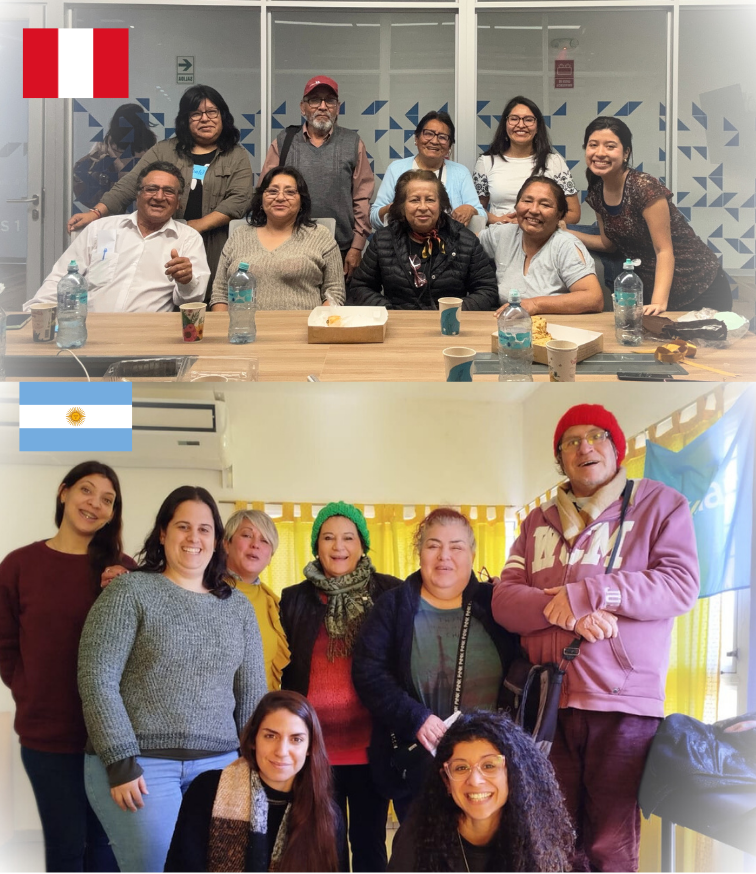
The Lived Experience Advisory Panel comprises a group of public health service users who had at least two of the health conditions relevant to the COLMA Project (diabetes, hypertension and/or depression), and who are interested in improving health care delivery.

The role of the LEAP is to provide feedback and suggestions to make the project’s activities feasible and accessible, validate the data collection tools and complement the interpretation of the results obtained, provide their opinions on different aspects of the project, among others.

Considering the LEAP can advise the project from their experiences with their health conditions and the care received in public health services, the project contemplates a cross-cutting strategy of community involvement, recognizing the importance of involving the LEAP, and their perspectives and opinions in different phases of the project.